
How to Start Investing as a Beginner: A Simple Guide That Actually Makes Sense
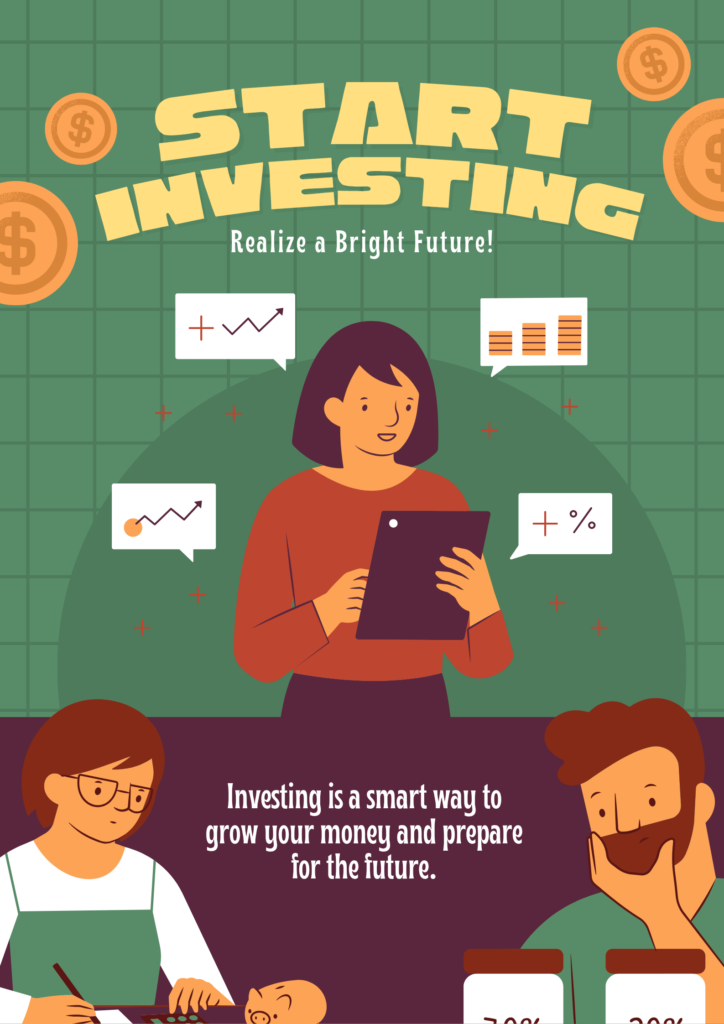
If you’re new to investing, the hardest part is usually not the money — it’s understanding where to begin.
There’s so much information online that beginners often feel overwhelmed before they even start.
Stocks, ETFs, crypto, apps, brokers, wallets…
It can feel confusing fast.
The good news is that investing does not have to be complicated. Once you understand the basics, the process becomes much easier and far less intimidating.
In this guide, I’ll explain how to invest in the most beginner-friendly ways possible — in a professional but simple way that’s easy to follow.
Before You Invest: Understand the Goal
Many beginners enter investing hoping to double their money quickly.
That mindset usually leads to poor decisions.
The real goal of investing is:
- Growing your money steadily
- Building long-term wealth
- Creating future financial freedom
Personally, I think the best way to approach investing is to see it as a long-term skill rather than a shortcut to quick money.
That mindset alone helps beginners avoid many mistakes.
1. How to Invest in Stocks
Stocks are one of the most popular investments in the world.
When you buy a stock, you own a small percentage of a company.
For example, if you buy shares in Apple or Tesla, you become a small part-owner of that business.
How Beginners Can Start
Step 1: Choose a Stock Investment App or Broker
You’ll need a platform where you can buy and sell stocks.
Look for platforms that offer:
- Low fees
- Easy-to-use apps
- Good security
- Educational tools
Many beginner-friendly apps now allow you to start with very small amounts of money.
Step 2: Deposit Money
Once your account is approved, you can transfer money into it from your bank account or payment method.
You do not need a large amount to begin.
Even small investments help you learn.
Step 3: Research Companies
Before buying stocks, learn what the company actually does.
Ask yourself:
- Is this company growing?
- Do people use its products?
- Does it seem financially strong?
One mistake I see beginners make is buying stocks simply because someone online said they would “explode.”
Good investing should involve understanding what you’re buying.
Step 4: Buy and Hold
Once you purchase the stock, avoid checking the price every hour.
Stock prices naturally rise and fall.
Personally, I think patience is one of the most underrated investing skills.
Many successful investors simply buy strong companies and hold them for years.
Pros of Stock Investing
- Strong long-term growth potential
- Easy to start online
- Good way to build wealth
Cons
- Prices can be unpredictable short-term
- Emotional investing can lead to losses
- Requires patience
2. How to Invest in ETFs
ETFs are one of the easiest ways for beginners to invest.
An ETF is basically a collection of many companies grouped into one investment.
Instead of buying one stock, you buy many at once.
For example:
An ETF may contain technology companies, healthcare companies, banks, and retail businesses together.
This helps reduce risk.
Honestly, if someone told me they were completely new to investing, ETFs are probably the first thing I would recommend learning about.
How Beginners Can Start With ETFs
Step 1: Open an Investment Account
You can use the same type of stock investing app or broker.
Step 2: Search for ETFs
Most investment apps have a search bar where you can type:
- “S&P 500 ETF”
- “Global ETF”
- “Technology ETF”
These are common beginner options.
Step 3: Invest Consistently
One of the best strategies for ETF investing is consistency.
Instead of trying to “time the market,” many investors simply invest a fixed amount regularly.
For example:
- Monthly
- Every payday
- Weekly
This keeps investing simple and reduces emotional decisions.
Why ETFs Are Beginner-Friendly
Pros
- Lower risk than individual stocks
- Instant diversification
- Easy to manage
- Great for long-term investing
Cons
- Slower growth compared to risky investments
- Still affected by market crashes
Personally, I think ETFs are less stressful for beginners because you’re not relying on one company succeeding.

3. How to Invest in Cryptocurrency
Crypto is very popular because of stories about people making huge profits from coins like Bitcoin and Ethereum.
But crypto is also one of the riskiest investments.
That’s important to understand before starting.
How Beginners Can Start With Crypto
Step 1: Use a Trusted Crypto Exchange
A crypto exchange is a platform where you can buy digital currencies.
Choose platforms with:
- Strong security
- Good reputation
- Beginner-friendly design
Step 2: Verify Your Account
Most exchanges require identity verification for security reasons.
Step 3: Start Small
This is extremely important.
Crypto prices can rise quickly — but they can also crash quickly.
Personally, I believe beginners should never invest money into crypto that they cannot afford to lose.
Start with small amounts while learning how the market works.
Step 4: Avoid Hype Investing
One of the biggest crypto mistakes is buying coins only because they are trending online.
Just because people are excited about something does not mean it is a good investment.
Research matters.
Pros of Crypto Investing
- High growth potential
- Easy to access online
- Fast-growing industry
Cons
- Extremely volatile
- Many scams exist
- Emotional investing is common

4. How to Invest in Yourself
This is one type of investing people often ignore.
Learning valuable skills can produce some of the best long-term returns.
For example:
- Learning blogging
- Learning content creation
- Learning design
- Learning coding
- Learning marketing
Since many people want to make money online in 2026, skill development has become more valuable than ever.
Personally, I think investing in knowledge is one of the safest investments because skills can continue paying you for years.
Beginner Mistakes to Avoid
Trying to Get Rich Fast
Fast-money thinking usually leads to risky decisions.
Investing Money Needed for Bills
Never invest money you may urgently need.
Following Internet Hype
Social media often shows success stories without showing losses.
Constantly Checking Prices
Watching investments every hour increases stress and emotional decisions.
My Personal Advice for Beginners
If I could give one honest piece of advice, it would be this:
Start small and stay consistent.
Most beginners think successful investors are doing something complicated.
Usually, they are just patient.
Even small monthly investing can grow surprisingly over time.
You do not need to become an expert overnight.
You simply need to start learning while staying disciplined.
Final Thoughts
Investing as a beginner may feel confusing at first, but it becomes easier once you understand the basics.
You do not need massive amounts of money.
You do not need perfect timing.
And you do not need to know everything before starting.
The most important thing is developing the habit of investing wisely and consistently.
Whether you choose:
- Stocks
- ETFs
- Cryptocurrency
- Or investing in your skills
the key is patience and continuous learning.
And if your goal is to build wealth and make money online in 2026, learning how to invest could become one of the smartest decisions you ever make.